Recently, I had the pleasure of working with a homebuyer moving back stateside, searching for a place to call home. Initially, they weren’t sold on the idea of purchasing a property in an age-restricted community, feeling unsure about whether it would suit their lifestyle. As their agent, I understood their hesitations and made it a priority to show them a wide range of homes in various neighborhoods. My goal was to help them find not just a house, but a community where they would feel truly comfortable.
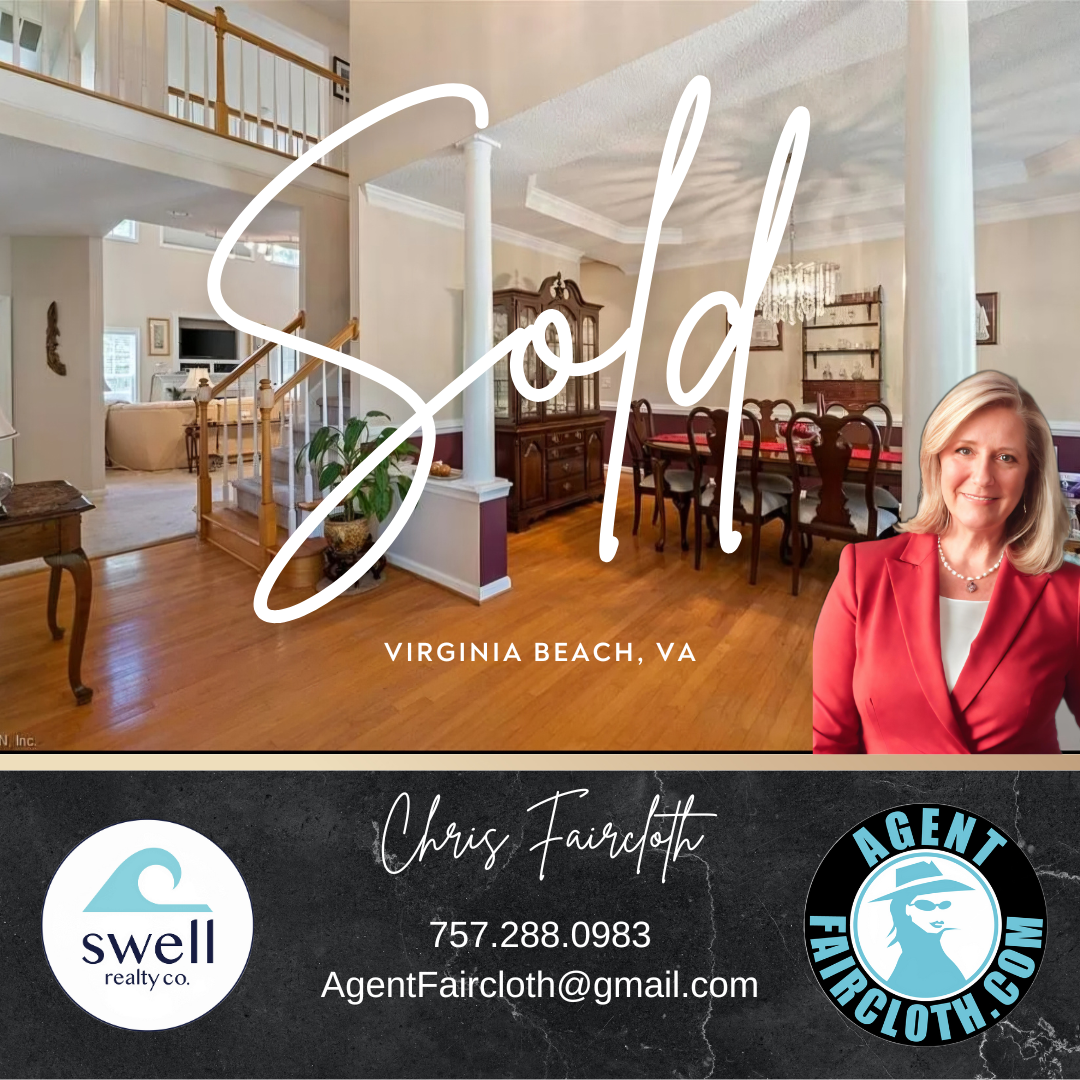 One particular neighborhood stood out during our search. Beyond the well-maintained homes and peaceful surroundings, the community featured a robust set of amenities, including an inviting community center. I suggested we stop by the center to get a better feel for the area, and what happened next was an unexpected and positive turning point.
When we arrived at the community center, we were warmly greeted by one of the community members. Their friendliness and willingness to chat about the area made a strong impression on my clients. As luck would have it, the president of the homeowners association (HOA) happened to be there as well. Not only was the president approachable, but they also took the time to answer my clients’ questions thoughtfully and with a genuine enthusiasm for the community.
This interaction made a significant difference in my clients’ decision-making process. It wasn’t just the well-kept homes or the neighborhood’s amenities that stood out—it was the welcoming atmosphere and the sense of community they felt from the moment they walked into the center. The HOA president’s transparency and willingness to engage helped my clients envision themselves living there, making the transition to purchasing a home in an age-restricted community much easier than they initially expected.
In the end, the reception they received in that neighborhood made their decision clear. The warmth of the community, coupled with the professionalism and openness of its leadership, turned what could have been a hesitant choice into one made with confidence. They knew they weren’t just buying a home; they were becoming part of a community that truly values its residents.
This experience reinforced for me how essential it is for prospective buyers to not only see the physical property but to also get a sense of the people and the environment they will be living in. A community that fosters open communication and welcomes new residents with open arms can make all the difference. When it comes to buying a home, feeling at home in the neighborhood is just as important as the home itself.